A ripple running straight across the carpet. Maybe you’ve tripped over it. Maybe you’ve noticed lumps under the sofa. Or perhaps the carpet even “pops” under your foot when you walk. In Summit County, this is a classic early-summer problem — and it’s far more common than most homeowners think.
The good news? Wrinkled carpet doesn’t mean you need to replace your flooring. Exclusive Cleaning and Restoration restores rippled and buckled carpet quickly — often in a single visit — serving Frisco, Silverthorne, Breckenridge, and the rest of Summit County.
This guide breaks down why carpet buckles happen, how to spot early warning signs, what professional stretching involves, and why early summer is the ideal time to schedule repairs.
What Causes Carpet Wrinkles and Buckling? (And Why It Happens More in Colorado)
The Most Common Causes of Rippled Carpet:
Improper carpet installation with a knee-kicker instead of a power stretcher can loosen over time.
Dragging heavy furniture can stretch fibers unevenly and pull carpet off tack strips.
Delamination can happen when the carpet backing separates due to age or moisture.
High foot traffic especially in hallways and open-plan living areas.
Low-quality padding that compresses or shifts accelerates buckling.
Why Mountain Homes Are Especially Vulnerable
Mountain homes face unique environmental stressors that cause carpet buckling in Summit County, CO.
Extreme temperature swings cause carpet backing to expand and contract.
Low winter humidity dries out backing; summer humidity causes expansion.
Seasonal homes sit empty, allowing HVAC fluctuations that loosen carpet.
Ski season moisture with wet boots and snow melt weaken adhesives.
Warning Signs: How to Know Your Carpet Needs Stretching or Repair
A Quick Visual Inspection and Signs to Look For:
Ripples, waves, or ridges visible in natural light.
Carpet that shifts or “pops” underfoot.
Edges lifting away from walls or tack strips.
Bunching near doorways or under furniture.
Seams separating or becoming visible.
Why You Shouldn’t Wait:
Trip hazards are especially risky for kids, older adults, and rental guests.
Dirt accumulation in folds accelerates wear.
Moisture intrusion through buckled seams can damage padding and subfloor.
Permanent deformation can happen if you wait too long and stretching won’t work.
Rippled carpet is a common hazard and rental risk.
“Lorem ipsum dolor sit amet, consectetur adipiscing elit. Ut elit tellus, luctus nec ullamcorper mattis, pulvinar dapibus leo.”Dan and crew showed on time and stretched and cleaned our carpets professionally and efficiently. Would recommend absolutely!”Abbie | Silverthorne, CO
What Is Professional Carpet Stretching? (And How it Works)
Power Stretching vs. Knee-Kicking
Knee-kicker: Good for small adjustments, but not enough for full-room tension and installation.
Power stretcher: Anchors to the wall and applies even tension across the entire room — the industry standard.
A carpet stretched only with a knee-kicker will re-buckle within months. Power stretching delivers the most reliable results for carpet stretching in Frisco, Co. and can last years.
The Professional Stretching Process
The process starts by moving furniture and releasing the carpet edges from the tack strips. A power stretcher is anchored, and tension is applied across the room, then any excess carpet is trimmed and the edges are secured back onto the tack strips. Seams are re-glued or re-sewn if needed. Most rooms take 1–3 hours, with no drying time and minimal disruption.
“Dan was on time, and very efficient. He did an awesome job stretching our carpet in two rooms. We highly recommend him for carpet repair.””Thomas | Frisco, CO
What About Rippled Carpet Repair?
Stretching isn’t always the full solution. Repairs may include:
Delamination fixes — re-adhesion or section replacement.
Patching — using donor carpet from a closet or remnant.
Seam repair — correcting gaps or fraying.
A professional can determine whether repair or replacement is the right call and when to schedule an appointment for rippled carpet repair in Silverthorne, Co.
Carpet Stretching vs. Carpet Replacement: How to Decide
When Stretching/Repair Is the Right Choice:
Carpet is under 10–12 years old.
Fibers are still in good condition.
Damage is limited to ripples, buckles, or isolated spots.
Backing is intact.
Cost is significantly lower than replacement.
Same-day turnaround fits your schedule.
When Replacement Makes More Sense:
Carpet is 15+ years old with widespread wear.
Backing has fully delaminated.
Water damage or mold is present.
You’re preparing the home for sale or premium rental positioning
Carpet Repair
Carpet Replacement
Carpet is under 10–12 years old
Carpet is 15+ years old with widespread wear
Fibers are still in good condition
Backing has fully delaminated
Damage is limited to ripples, buckles, or isolated spots
Water damage or mold is present
Backing is intact
You’re preparing the home for sale or premium rental positioning
Cost is significantly lower, with same-day turnaround
Pro tip: Many homeowners replace carpet unnecessarily — a professional assessment that identifies carpet repair vs. replacement in Colorado can save thousands.
“Needed two very large bedroom carpets stretched and repaired in numerous areas. Dan and his assistant did an amazing job! Timely, efficient, and very respectful of our home. Would highly recommend this company for carpet needs and repairs. Thank you!”Leslie | Breckenridge, CO
When Is the Best Time to Schedule Carpet Stretching in Summit County?
Why early Summer Is the Ideal Window
Post-ski season: winter moisture has dried out, stabilizing the carpet.
Pre-summer rentals: fix issues before guests arrive.
Mild temperatures: HVAC is less active, keeping carpet stable during stretching.
How to Maintain Your Carpet After Stretching
Use furniture pads to prevent future fiber migration.
Maintain consistent humidity and even humidify in winter.
Vacuum regularly with a high-quality upright vacuum.
Protect Your Home: Essential Checklist to Prevent Water Damage and Flooding
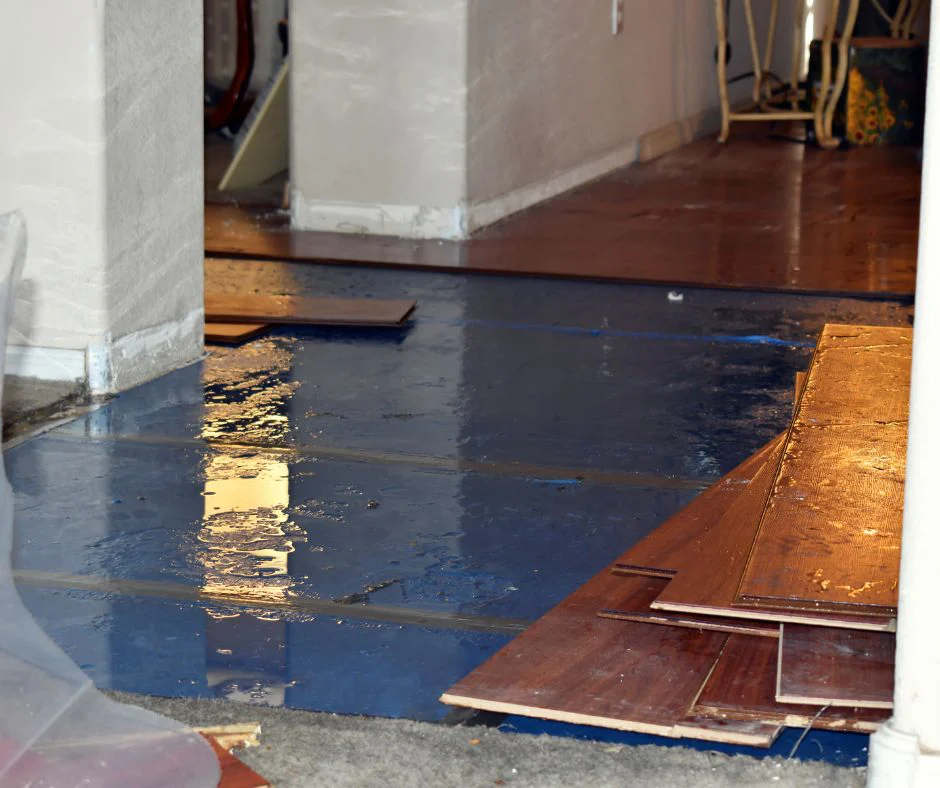
Water damage poses a significant threat to homes, with approximately 14,000 Americans facing water damage emergencies each day, as reported by the American Insurance Association.
Whether it’s a burst pipe, heavy rains, or plumbing issues, taking preventive measures is crucial to safeguard your property. Follow this water damage prevention checklist to protect your home and prevent potential water-related disasters:
Regularly Inspect Your Roof
A study by the National Roofing Contractors Association revealed that proper roof maintenance can extend its lifespan by 50%. Regular inspection and timely repairs prevent water seepage during heavy rainfall or snowfall.
Check for missing or damaged shingles, as well as signs of wear and tear. Repair any issues promptly to prevent water seepage during rain or snow.
Maintain Gutters and Downspouts
According to FEMA, clogged gutters cause water to overflow, leading to potential foundation damage.
Keep gutters free of debris such as leaves and branches. Ensure downspouts direct water away from the foundation, preventing water buildup near the house.
Check and Seal Windows and Doors
The U.S. Department of Energy states that sealing air leaks can save homeowners up to 10% on total annual energy costs. Properly sealing gaps prevents water intrusion during storms or heavy winds.
Inspect Plumbing System
The Environmental Protection Agency (EPA) highlights that fixing leaks can save homeowners around 10% on their water bills.
Regularly check for leaks, drips, or signs of moisture around pipes, faucets, and appliances. Repair any leaks immediately to avoid potential water damage.
Install a Sump Pump
Consider installing a sump pump in the basement or low-lying areas prone to flooding. It helps remove excess water, minimizing potential damage during heavy rainfall.
Elevate Electrical Systems
If possible, elevate electrical outlets, switches, and wiring in basements or flood-prone areas to reduce the risk of electrical hazards in case of flooding.
Landscaping and Grading
Ensure the ground around your home slopes away from the foundation to divert water flow. Proper landscaping and grading can prevent water from pooling near the house.
Inspect and Maintain Appliances
Did you know that appliance-related leaks account for a significant percentage of home water damage claims?
Regularly inspect and maintain appliances to prevent potential leaks.Regularly check hoses, connections, and seals on washing machines, dishwashers, and refrigerators. Replace old or damaged hoses to prevent leaks.
Know Your Water Shut-Off Valve
Familiarize yourself with the location of the main water shut-off valve. In case of emergencies like burst pipes, shutting off the water quickly can minimize damage.
Regular Maintenance Checks
Conduct routine inspections of your home’s exterior, interior, and drainage systems to catch potential issues early and address them promptly.
As we navigate the mid-winter season, it’s crucial to keep property damage prevention at the forefront of our minds. Water damage can strike suddenly and dramatically, prompted by anything from a simple frozen water pipe to more devastating circumstances.
At Exclusive Cleaning and Restoration, we understand the urgency of these situations. That’s why we’re committed to providing immediate assistance for all your water damage needs across Breckenridge, Frisco, Dillon, Silverthorne, Blue River, Keystone & Copper Mountain. Our focus is on rapid water extraction and efficient drying out of your home to prevent secondary damage. Stay ahead of the curve this winter with our professional help and valuable tips to safeguard your property against potential water damage.